Like a painter choosing the right brush, selecting the best whitening toothpaste requires careful consideration of ingredients and effectiveness. You want a formula that not only brightens your smile but also protects your enamel. With so many options available, how do you know which one truly delivers? Let’s explore the key ingredients and popular brands to find the perfect fit for your oral care routine.
Key Ingredients to Look For in Whitening Toothpaste
When choosing a whitening toothpaste, it’s crucial to identify key ingredients that effectively lift stains and brighten your smile.
Look for hydrogen peroxide, a common bleaching agent that penetrates enamel to break down stains. Baking soda is another valuable ingredient; it gently abrasively polishes teeth while neutralizing acids.
Additionally, consider the presence of silica, which helps remove surface stains through mild abrasiveness without damaging enamel. Sodium fluoride is essential for strengthening teeth and preventing decay, enhancing overall oral health.
Lastly, activated charcoal is gaining popularity for its adsorptive properties, which can help remove impurities. Furthermore, a toothpaste featuring science-driven formulas can significantly enhance effectiveness by utilizing innovative technologies for optimal results.
How Well Do These Ingredients Work in Whitening Toothpastes?
While many ingredients in whitening toothpastes promise brighter smiles, their effectiveness can vary significantly.
Hydrogen peroxide and carbamide peroxide are among the most effective agents, breaking down stains and lightening enamel over time.
Baking soda, known for its mild abrasive properties, helps remove surface stains but may not penetrate deeper discoloration.
Activated charcoal has gained popularity, yet evidence supporting its efficacy is limited and it may not be safe for long-term use.
Additionally, silica is often included for its polishing abilities, enhancing the toothpaste’s stain-removal capacity.
Ultimately, effectiveness depends on the concentration of these ingredients and consistent use.
Always choose products with ADA approval to ensure safety and efficacy for your whitening needs.
Common Side Effects of Whitening Toothpastes
Using whitening toothpastes can lead to some common side effects, despite their appeal for achieving a brighter smile. Many users experience increased tooth sensitivity, which can make eating or drinking cold or hot items uncomfortable. This sensitivity often results from the active whitening agents, like hydrogen peroxide, which can penetrate enamel.
Additionally, some people may notice gum irritation or a burning sensation, particularly if they brush too vigorously or use the product excessively. Staining can also occur if not used correctly, as certain formulas may leave residues that attract discoloration.
To minimize these risks, it’s best to follow usage instructions closely and consult with a dental professional if you have concerns about side effects.
Effectiveness of Popular Whitening Toothpastes?
How effective are popular whitening toothpastes in achieving a brighter smile? Many of these formulas use mild abrasives and chemical whiteners like hydrogen peroxide to reduce surface stains.
Research shows they can lighten tooth color by one to two shades over time. However, results vary based on the severity of stains and individual oral hygiene practices.
While some users report noticeable improvements, others may see minimal effects. It’s essential to manage expectations and understand that whitening toothpastes work best as part of a broader oral care routine, including regular dental cleanings.
For optimal results, consider consulting your dentist about combining these products with professional treatments tailored to your specific needs.
Best Whitening Toothpaste Brands and What Makes Them Special
When you’re searching for the best whitening toothpaste, you’ll find several reputable brands that stand out due to their unique formulations and proven results.
Crest 3D White is known for its effective stain-fighting properties, utilizing silica to polish teeth while preventing further discoloration.
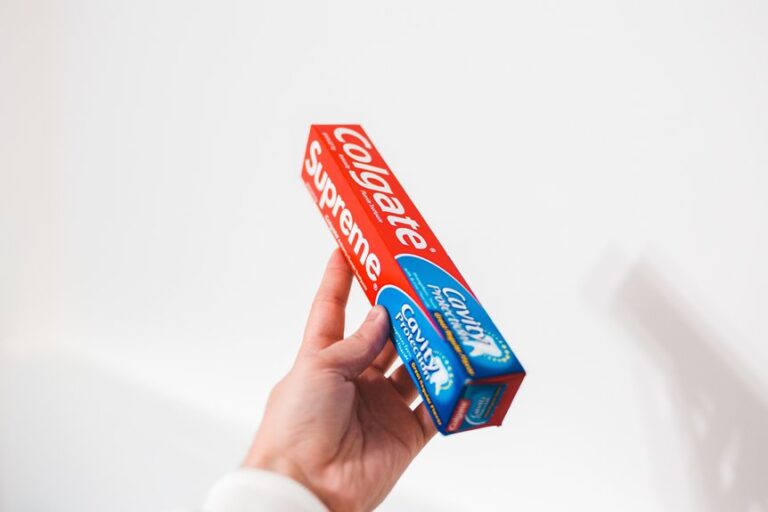
Colgate Optic White employs hydrogen peroxide, a powerful whitening agent, that can brighten your smile with regular use.
Sensodyne Pronamel also offers a gentler approach, perfect for those with sensitive teeth, while still effectively combating stains.
Tom’s of Maine provides a natural alternative, using baking soda for safe and effective whitening without harsh chemicals.
Each of these brands combines efficacy with consumer-friendly ingredients, ensuring you can confidently choose a toothpaste that meets your whitening needs.
About the Author