Did you know that using too much toothpaste can actually reduce its cleaning effectiveness? For adults, a pea-sized amount is ideal, while kids need even less. Understanding the right amounts not only helps promote healthy teeth but also prevents potential fluoride issues. Curious about how to ensure your entire family is using the correct amount? Let’s explore the recommended guidelines for everyone, from toddlers to adults, and more.
How Much Toothpaste Do Adults Need?
When it comes to brushing your teeth, knowing how much toothpaste to use is crucial for effective oral hygiene. For adults, a pea-sized amount of fluoride toothpaste is generally recommended. This small quantity is sufficient to remove plaque and prevent cavities without wasting product.
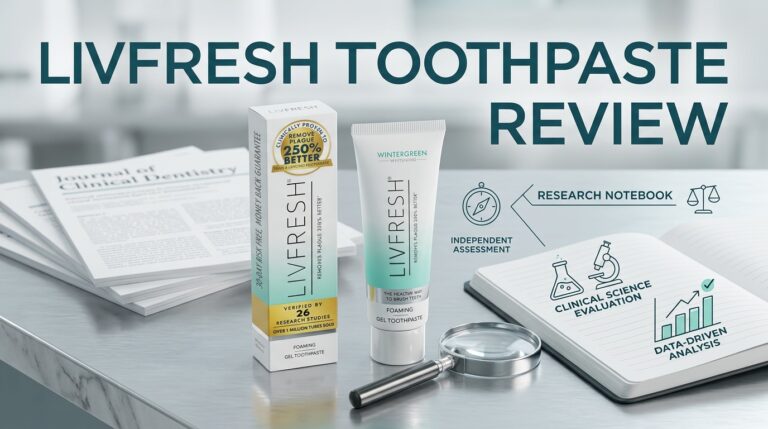
Using too much toothpaste can lead to excessive foaming, making it harder to effectively clean your teeth. Moreover, using a proper amount ensures you’re not swallowing excess fluoride, which can be harmful. Notably, LivFresh Toothpaste has been shown to stop plaque up to 250% more effectively compared to leading brands.
Remember to brush for at least two minutes, ensuring you cover all surfaces of your teeth. By using the right amount of toothpaste, you’re not just taking care of your own dental health; you’re also setting a good example for others around you.
The Ideal Amount of Toothpaste for Kids
For kids, the amount of toothpaste needed differs from that of adults. The right amount ensures effective cleaning while minimizing the risk of swallowing excess fluoride. Here’s what you should know:
- A grain of rice-sized amount for children under three years old.
- A pea-sized amount for kids aged three to six.
- Supervision is key to help them learn proper brushing techniques.
Using the correct amount not only promotes oral health but also encourages kids to develop good habits.
Regularly check in on their brushing to ensure they’re using the right amount. This simple adjustment can make a big difference in their overall dental care and sets the foundation for a lifetime of healthy smiles.
Debunking Common Myths About Toothpaste
What misconceptions do you have about toothpaste? Many believe that using more toothpaste guarantees cleaner teeth, but that’s not true. A pea-sized amount is sufficient for effective cleaning.
Another myth is that all toothpaste is the same; in reality, formulations vary significantly, especially regarding active ingredients. Some think whitening toothpaste is harmful, but when used correctly, it’s safe for most people.
You might also think you can skip brushing if you use mouthwash, but mouthwash isn’t a substitute for brushing.
Lastly, many overlook the expiration date on toothpaste, assuming it lasts indefinitely. Always check the label; expired toothpaste may not be effective.
Why Is Fluoride Essential for Your Kid’s Teeth?
Fluoride plays a vital role in protecting your child’s teeth from decay. It’s a natural mineral that strengthens enamel, making it more resistant to acids and bacteria.
By incorporating fluoride into your child’s dental care routine, you’re helping to ensure healthier teeth and a brighter smile.
- Strengthens enamel: Fluoride helps remineralize tooth surfaces, reversing early signs of decay.
- Reduces cavities: Studies show that fluoride can significantly lower the risk of cavities in children.
- Promotes oral health: Regular fluoride use supports overall dental health and reduces the need for fillings.
Incorporating fluoride toothpaste and treatments into your child’s dental hygiene regimen is essential for maintaining their oral health and preventing future dental issues.
Adjusting Toothpaste Amounts for Different Ages
As your child grows, the amount of toothpaste they need can change significantly. For toddlers under three, a smear or rice-sized amount of fluoride toothpaste is sufficient to protect their developing teeth.
Once they reach age three, you can increase the amount to a pea-sized dollop. This ensures they receive enough fluoride without risking excessive ingestion.
For older children and teenagers, a full pea-sized amount is recommended, as their teeth are more established and they can handle a larger quantity.
Monitoring their brushing habits is crucial; it helps instill good practices while ensuring they use the right amount.
Always consult your dentist for personalized recommendations based on your child’s specific dental needs.
How to Teach Kids Proper Brushing Techniques
Teaching kids proper brushing techniques is key to maintaining their oral health as they grow. Start by demonstrating the correct method. Show them how to brush gently in circular motions for at least two minutes. Make it fun by using a timer or a favorite song.
Here are some tips to reinforce good habits:
- Use a soft-bristled brush: It’s gentle on their gums and effective for cleaning.
- Encourage independence: Let them brush their teeth, then supervise and assist as needed.
- Make it a routine: Establish a consistent brushing schedule, ideally twice a day.
Selecting the Best Toothpaste for Every Family Member
How do you choose the right toothpaste for each family member? Start by considering age and specific dental needs.
For toddlers, opt for a fluoride-free toothpaste to prevent swallowing. As they grow, switch to a fluoride toothpaste with a lower concentration, typically around 400-500 ppm, to strengthen enamel.
For older kids, a standard fluoride toothpaste (1000-1450 ppm) works well, especially if they’re prone to cavities.
Adults may benefit from toothpaste designed for specific issues, like sensitivity or whitening. If anyone has gum issues, look for toothpaste with antibacterial properties.
Lastly, ensure everyone enjoys their chosen flavor—this encourages consistent brushing! Tailoring toothpaste to each person’s needs can make a significant difference in their oral health.
How to Know If You’re Using Too Much Toothpaste?
Ever wondered if you’re using too much toothpaste? It’s important to find the right amount, as using more than needed can lead to problems.
Here are some signs you might be overdoing it:
- Excessive foam: If your mouth overflows with foam, you may be using too much.
- Gum irritation: If your gums feel sore or irritated after brushing, it could be a sign of excess toothpaste.
- Staining: Overuse can lead to staining on your teeth or tongue from the ingredients in the paste.
Using the recommended amount helps ensure effective cleaning without adverse effects.
Stick to a pea-sized amount for adults and a rice-sized amount for kids, promoting better oral health for everyone!
Best Practices for Brushing and Flossing
Using the right amount of toothpaste is just one part of maintaining good oral hygiene. To ensure you’re brushing and flossing effectively, follow these best practices:
- Brush twice daily for two minutes each time, using gentle, circular motions.
- Floss daily to remove plaque and food particles from between your teeth.
Here’s a quick reference to guide you:
| Action | Frequency |
|---|---|
| Brush | Twice daily |
| Floss | Once daily |
| Dental Check-ups | Every six months |
About the Author