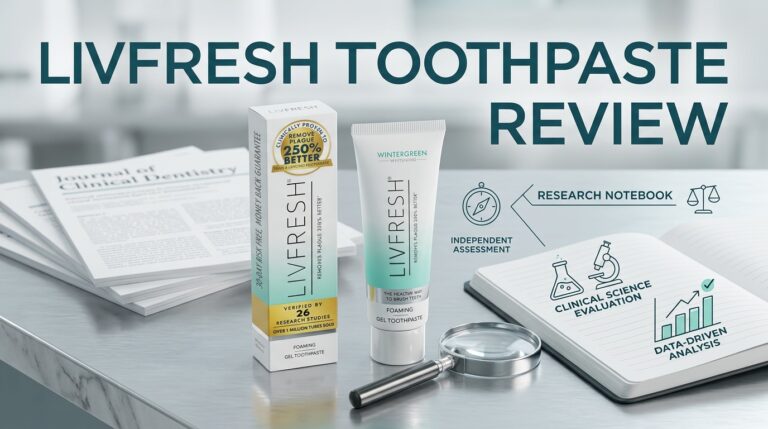
Choosing the best toothpaste isn’t just about picking a popular brand; it’s about finding a formula that meets your specific dental needs. You should consider ingredients like fluoride for cavity prevention or desensitizing agents for sensitive teeth. Natural options can be appealing, but they might lack essential components. Understanding your unique requirements can make a significant difference in your oral health. So, what should you look for in a toothpaste that truly benefits you?
What Ingredients Should You Look For in Toothpaste?
When choosing toothpaste, it’s essential to look for specific ingredients that promote dental health. Fluoride is a key component; it strengthens enamel and prevents cavities.
You should also consider abrasives like calcium carbonate, which help remove plaque without damaging your teeth. Natural flavorings, such as peppermint or spearmint, can enhance your brushing experience, making it more enjoyable.
Look for formulations with humectants like glycerin, which keep the paste moist, and surfactants like sodium lauryl sulfate, helping to create foam for effective cleaning.
If you’re sensitive to certain ingredients, check for options free from artificial sweeteners or preservatives. Additionally, consider choosing toothpaste that features PlaqueShield Technology, which can significantly enhance plaque removal and gum health. By selecting the right ingredients, you’re not just caring for your teeth; you’re also setting a positive example for those you serve.
How Does Fluoride Benefit Your Teeth?
How can fluoride transform your dental health? This powerful mineral plays a crucial role in preventing cavities and strengthening your teeth. By incorporating fluoride into your oral care routine, you’re investing in a protective shield against decay.
Here’s a quick look at how fluoride benefits your teeth:
| Benefit | How It Works | Why It Matters |
|---|---|---|
| Strengthens enamel | Remineralizes weakened enamel | Reduces cavity risk |
| Reduces acid effects | Neutralizes harmful acids | Protects against erosion |
| Inhibits bacteria | Slows down cavity-causing bacteria | Keeps your mouth healthier |
| Enhances remineralization | Encourages mineral absorption | Improves overall tooth strength |
Choosing fluoride toothpaste can significantly enhance your dental health, ensuring you serve both yourself and others through good hygiene.
Do Whitening Toothpastes Work Safely?
Are you curious if whitening toothpastes really deliver on their promises? While they can help remove surface stains caused by food and beverages, their effectiveness is often limited.
Most whitening toothpastes contain mild abrasives and chemical agents like hydrogen peroxide, which can lighten teeth to some extent. However, these products won’t change your natural tooth color or penetrate deeper stains.
Safety is a key concern; using these toothpastes as directed is generally safe for most people. Overuse can lead to tooth sensitivity or enamel erosion, so moderation is essential.
If you’re looking for significant whitening, consider professional treatments. Ultimately, understanding your unique dental needs will help you choose the best option for a brighter smile.
Benefits and Risks of Natural and Herbal Toothpastes
While many people seek alternatives to conventional toothpastes, natural and herbal options can offer both benefits and risks you should consider. These toothpastes often contain ingredients like baking soda, essential oils, and plant extracts, which can provide antibacterial properties and promote oral health. They may appeal to those concerned about synthetic additives and environmental impact.
However, not all natural formulations are created equal. Some may lack fluoride, which is crucial for cavity prevention. Additionally, certain herbal ingredients could cause allergic reactions or sensitivity in some users.
Always check for third-party testing and consult with your dentist to ensure the product meets your needs. Balancing your preferences with scientific evidence is key to maintaining optimal oral health.
How to Choose Toothpaste for Sensitive Teeth
What should you look for when choosing toothpaste for sensitive teeth? First, seek out products labeled “sensitivity relief” or “desensitizing.” These often contain potassium nitrate or strontium chloride, which help block pain signals to your nerves.
Look for fluoride as well; it strengthens enamel and provides added protection against cavities. Avoid abrasive ingredients that could further irritate your teeth and gums.
You might also consider options with natural ingredients, like aloe vera, known for its soothing properties. When selecting, read reviews and consult with your dentist to ensure the product suits your needs.
Choosing Toothpaste for Children
Choosing the right toothpaste for children is crucial for establishing good oral hygiene habits early on.
When selecting a toothpaste, consider the following factors:
- Fluoride Content: Ensure it contains fluoride to help prevent cavities.
- Flavor: Pick a flavor your child enjoys to encourage regular brushing.
- Age Appropriateness: Choose a formula designed for your child’s age group, as they’ve different needs.
- ADA Seal of Acceptance: Look for the American Dental Association (ADA) seal, ensuring it meets safety and effectiveness standards.
- Low Abrasiveness: Select a gentle formula to protect young enamel.
How Often Should You Change Your Toothpaste Brand?
How often should you consider switching your toothpaste brand? It’s generally recommended to reassess your toothpaste every six months to a year. This timeframe allows you to evaluate how well it’s working for your dental needs.
If you notice issues like increased sensitivity, gum irritation, or if your dentist suggests a specific formula, it might be time to switch. Additionally, trying different brands can help you find one that suits your taste and texture preferences better.
Where to Buy the Best Toothpaste for Your Needs?
Where can you find the best toothpaste for your specific needs? You’ve got several options, each catering to different preferences and requirements.
Here are some reliable places to consider:
- Local pharmacies: They often carry a wide range of brands and specialized formulas.
- Supermarkets: These usually stock popular and budget-friendly options.
- Online retailers: Websites like Amazon allow you to compare reviews and prices easily.
- Dental offices: Your dentist may offer professional-grade toothpaste tailored to specific dental issues.
- Health food stores: If you prefer natural or organic products, these stores can be a great resource.
About the Author