Swallowing toothpaste can lead to several health risks, particularly due to its fluoride content. You might experience gastrointestinal issues like nausea or abdominal pain. Children are especially vulnerable. Recognizing the symptoms early is key to managing any potential toxicity. So, what should you look out for, and when is it time to seek help? Understanding these factors can make a significant difference in ensuring safety for you and your family.
What Are the Risks of Swallowing Toothpaste?
Swallowing toothpaste can pose several health risks, especially if it contains fluoride. When you ingest fluoride in large amounts, it may lead to dental fluorosis, which affects the appearance of teeth.
Fluoride toxicity can also cause gastrointestinal issues like nausea and stomach pain. If you’re using a toothpaste with added ingredients, such as whitening agents or flavoring, these can also trigger allergic reactions or sensitivities.
Children are particularly vulnerable, as their smaller bodies can’t handle the same levels as adults. It’s essential to supervise young ones while brushing to minimize risks. Being aware of these potential dangers can help you promote safe dental hygiene practices in your household, ensuring everyone maintains their health while caring for their smiles. Additionally, using toothpaste with safe, edible ingredients can reduce the risks associated with accidental ingestion.
What Symptoms Indicate Overconsumption?
If you’ve ingested too much toothpaste, several symptoms can signal overconsumption. Common indicators include gastrointestinal distress, neurological effects, and allergic reactions. Pay attention to your body’s signals, as these can help you identify the severity of the situation.
| Symptom | Description |
|---|---|
| Nausea/Vomiting | Feeling sick or actually vomiting |
| Diarrhea | Loose or watery stools |
| Dizziness/Headache | Feeling lightheaded or experiencing pain |
If you notice any of these symptoms after swallowing toothpaste, it’s essential to assess the situation promptly. Although mild symptoms may resolve on their own, more severe reactions could require immediate medical attention. Always err on the side of caution!
How to Manage Toothpaste Ingestion Symptoms
While it’s easy to overlook the risks of swallowing toothpaste, knowing how to manage any symptoms is crucial.
If you or someone you’re caring for experiences mild symptoms like nausea or a stomach ache, encourage them to drink water to help dilute the toothpaste. Avoid giving solid food until symptoms improve.
For persistent symptoms, consider offering small sips of clear fluids, like broth or electrolyte solutions. Monitor for more serious symptoms, such as difficulty breathing or swelling, which may require immediate medical attention.
If symptoms worsen or you’re unsure, don’t hesitate to contact a healthcare professional. Staying informed and calm can make a significant difference in managing any discomfort effectively.
How Much Toothpaste Poses a Health Risk?
Understanding how much toothpaste can pose a health risk is important for everyone, especially when considering the potential effects of ingestion. Generally, swallowing a small amount of toothpaste occasionally isn’t harmful, but larger quantities can lead to health issues.
Keep these points in mind:
- Fluoride Content: Most toothpaste contains fluoride, which can be toxic if consumed in excess.
- Age Factor: Children are more vulnerable to health risks due to their smaller size and developing systems.
- Ingredient Sensitivity: Some individuals may react negatively to specific ingredients in toothpaste.
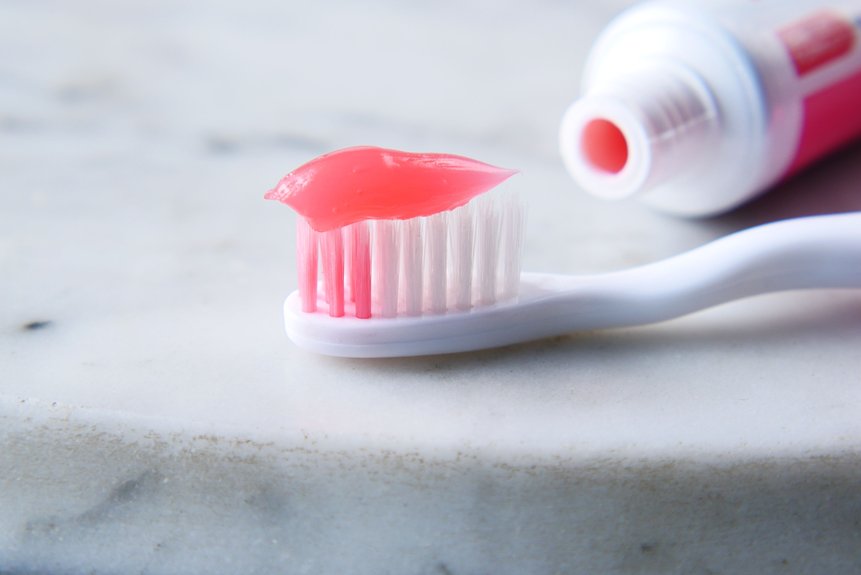
- Recommended Amount: For adults, a pea-sized amount is usually enough; for children, even less is advised.
Being aware of these factors can help you prevent any potential health risks associated with toothpaste ingestion.
What Should You Do If Your Child Swallows Toothpaste?
Swallowing toothpaste can be concerning, especially for young children who may not fully understand the risks. If your child swallows a small amount, stay calm.
Most toothpaste contains fluoride, which can be harmful in large amounts, but a small swallow typically doesn’t cause serious issues. Observe your child for any unusual symptoms like stomach pain or nausea. Encourage them to drink water to help dilute the toothpaste.
If they seem fine, monitor them closely for the next few hours. If your child swallows a large amount or shows concerning symptoms, contact your pediatrician or poison control immediately for guidance.
Always keep toothpaste out of reach to prevent future incidents and educate your child on proper use.
When Is Medical Attention Necessary?
When should you seek medical attention after swallowing toothpaste? If you or someone else swallows a significant amount of toothpaste, especially if it contains fluoride, it’s important to recognize potential risks.
Keep an eye out for symptoms that may require urgent care.
- Persistent nausea or vomiting
- Abdominal pain or cramping
- Unusual drowsiness or lethargy
- Difficulty breathing or swallowing
If you notice any of these signs, don’t hesitate to contact a healthcare professional.
Early intervention can help prevent complications and ensure safety.
Long-Term Effects of Toothpaste Ingestion
Ingesting toothpaste, particularly over an extended period, can lead to various long-term health issues, especially if the toothpaste contains fluoride. Chronic ingestion may result in dental fluorosis, where teeth develop white spots or discoloration. Additionally, excessive fluoride can affect bone density, potentially increasing fracture risk.
| Health Issue | Description | Long-Term Impact |
|---|---|---|
| Dental Fluorosis | White spots or discoloration on teeth | Affects appearance of teeth |
| Bone Density Issues | Decreased density due to fluoride accumulation | Higher risk of fractures |
| Gastrointestinal Issues | Nausea, vomiting, or diarrhea | Chronic discomfort |
| Neurological Effects | Potential for cognitive impacts with high intake | Possible learning difficulties |
Being aware of these risks helps you make informed choices regarding oral hygiene.
Safer Toothpaste Options to Prevent Ingestion
Choosing safer toothpaste options can significantly reduce the risk of accidental ingestion, especially for children. By selecting the right products, you can promote oral health while minimizing hazards.
- Fluoride-Free Toothpaste: Opt for fluoride-free options to eliminate concerns about ingestion.
- Natural Ingredients: Look for brands that use natural ingredients, avoiding harsh chemicals and artificial flavors.
- Child-Specific Formulas: Choose toothpaste designed specifically for kids, often with lower concentrations of active ingredients and appealing flavors.
- Eco-Friendly Brands: Support toothpaste brands that prioritize safety and sustainability, ensuring a healthier environment for everyone.
How Common Is It for Kids to Swallow Toothpaste?
Many parents find that children often swallow toothpaste, especially during their early brushing years. This behavior is common and can stem from kids’ natural curiosity or excitement about flavors. Here’s a quick overview of the situation:
| Age Group | Frequency of Swallowing | Tips for Parents |
|---|---|---|
| Toddlers (1-3) | Very Common | Use a pea-sized amount |
| Preschoolers (4-5) | Common | Supervise brushing sessions |
| Early Elementary (6-8) | Less Common | Teach spitting and rinsing |
While occasional swallowing usually isn’t harmful, you should monitor the amount and type of toothpaste. By understanding this behavior, you can guide your child to develop healthy brushing habits.
Understanding Toothpaste Ingredients and Safety
Understanding what goes into toothpaste can help you make informed choices for your family. Many ingredients serve specific purposes, but some can be concerning if swallowed. Here’s a quick overview:
- Fluoride: Strengthens enamel but can be harmful in large amounts, especially for kids.
- Abrasives: Help remove plaque but can irritate if ingested in excess.
- Flavoring agents: Make toothpaste palatable; however, some may cause allergic reactions.
- Humectants: Keep toothpaste moist, but excessive consumption can lead to gastrointestinal issues.
Always check labels and choose child-friendly options.
Educate your family about using a pea-sized amount and rinsing thoroughly. Being proactive about these ingredients ensures everyone stays safe while maintaining good oral hygiene.
About the Author