Did you know that around 90% of commercial toothpastes contain Sodium Lauryl Sulfate (SLS)? This common surfactant not only enhances lather but also aids in cleaning. However, some people experience sensitivity or irritation from it. So, should you consider avoiding SLS in your toothpaste? Understanding its role and potential alternatives can help you make an informed decision about your dental care routine.
What Is Sodium Lauryl Sulfate (SLS) in Toothpaste?
Sodium Lauryl Sulfate (SLS) is a common ingredient found in many toothpastes, serving as a surfactant and foaming agent. It helps create the lather you often experience while brushing, making the process feel more effective.
SLS works by lowering the surface tension of water, allowing it to spread and penetrate better. This action can enhance the distribution of other active ingredients in the toothpaste.
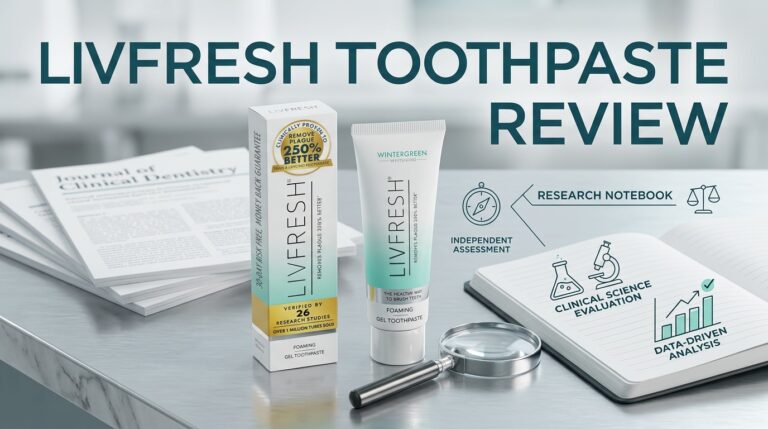
However, its presence has sparked debate; some individuals report sensitivity or irritation. If you’re concerned about potential side effects, exploring SLS-free options may be worthwhile. Additionally, many brands, like LivFresh, are now opting for non-abrasive formulas that cater to those with dental sensitivities.
Understanding SLS can empower you to make informed choices for yourself or those you serve, ensuring you select products that meet specific needs and preferences.
How Does SLS Contribute to Toothpaste Functionality?
The role of Sodium Lauryl Sulfate (SLS) in toothpaste goes beyond just creating lather. It acts as a surfactant, helping to break down and disperse food particles and plaque, making it easier for you to clean your teeth effectively.
SLS also enhances the foaming action, which can contribute to a more satisfying brushing experience. Additionally, it helps to ensure that active ingredients, like fluoride, are evenly distributed throughout the toothpaste.
This distribution is crucial for maximizing the effectiveness of these ingredients in preventing cavities and promoting oral health. While SLS serves several functional roles, understanding its contribution can help you make informed choices about your dental care products.
What Are the Top SLS-Free Alternatives for Toothpaste?
Are you looking for effective toothpaste options that skip Sodium Lauryl Sulfate (SLS)? Several SLS-free alternatives can meet your dental needs while being gentle on your mouth.
Brands like Tom’s of Maine and Hello offer natural formulations that maintain oral health without harsh chemicals. If you prefer organic options, look into Jason or Burt’s Bees, which use plant-based ingredients for effective cleaning.
For those with specific sensitivities, Sensodyne Pronamel is a great choice, known for its enamel protection. Many of these alternatives contain fluoride, ensuring you still get cavity protection.
Choosing SLS-free toothpaste not only supports your oral health but also aligns with a desire to avoid unnecessary additives. Explore these options to find what works best for you.
Should You Avoid SLS in Your Dental Routine?
Considering the options available, you might wonder if avoiding SLS in your dental routine is necessary. While SLS can enhance foaming, some studies suggest it may cause irritation, especially for sensitive individuals. If you or someone you care for experiences discomfort, opting for SLS-free products might be wise.
Here’s a quick overview to help you decide:
| Pros of SLS | Cons of SLS | Alternatives |
|---|---|---|
| Good foaming agent | Possible irritation | SLS-free toothpaste |
| Widely available | May dry out mouth | Natural ingredients |
| Effective cleaning | Allergic reactions | Herbal options |
Ultimately, the choice to avoid SLS depends on personal preference and sensitivity. Always prioritize comfort and health in your dental routine.
How to Choose the Best SLS-Free Toothpaste for You?
How do you determine the best SLS-free toothpaste for your needs? Start by assessing your oral health goals.
If you’re prone to sensitivity, look for a toothpaste with desensitizing ingredients like potassium nitrate. For those focused on whitening, choose a formula with gentle abrasives.
Check for the American Dental Association (ADA) Seal of Acceptance, which ensures the product meets safety and efficacy standards.
Pay attention to flavor; some people prefer mint, while others may want a milder option.
Lastly, read the ingredient list to avoid other additives you might wish to limit, such as artificial sweeteners or dyes.
About the Author