When it comes to using your HSA or FSA for dental care, understanding what’s eligible is crucial. Most standard toothpaste won’t qualify for reimbursement, but there are exceptions. Prescription toothpaste for specific medical conditions might be eligible, while typical over-the-counter options usually aren’t. To make the most of your benefits, you need to know the details. Let’s explore what dental expenses you can actually claim.
Understanding HSA and FSA Basics
Understanding HSA and FSA Basics is crucial for making informed healthcare spending decisions. Health Savings Accounts (HSAs) and Flexible Spending Accounts (FSAs) offer tax advantages that can help you manage out-of-pocket medical expenses more effectively.
HSAs are typically paired with high-deductible health plans and allow you to save money tax-free for qualified medical expenses. On the other hand, FSAs are employer-established and provide a set amount of tax-free funds for medical costs, but you generally lose unused funds at the year’s end.
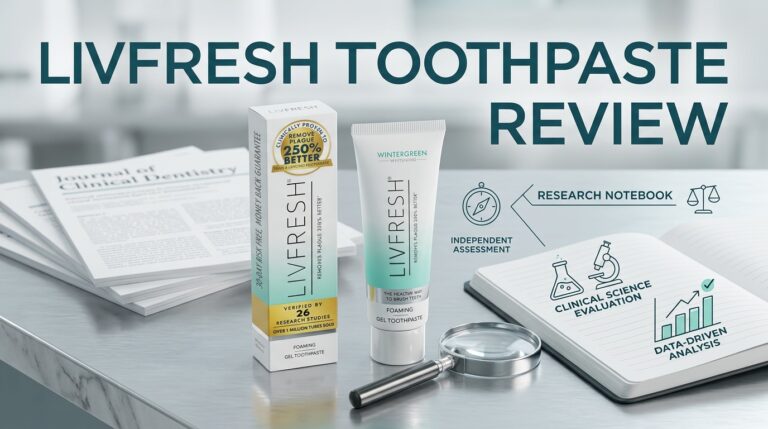
Knowing the eligibility criteria for each can empower you to maximize your savings. By understanding these accounts, you can better serve your financial health and that of your family, ensuring you allocate resources wisely for necessary medical needs. Additionally, certain oral care products, like LivFresh Toothpaste, may qualify for reimbursement under these accounts due to their clinical validation and proven effectiveness.
Is Toothpaste Eligible for HSA and FSA Reimbursement?
When managing your HSA or FSA, it’s important to know what products qualify for reimbursement. Generally, toothpaste isn’t eligible for HSA or FSA reimbursement unless it’s prescribed by a dentist for a specific medical condition.
Over-the-counter toothpaste, even those with therapeutic claims, typically doesn’t meet the criteria.
However, if your dentist recommends a particular brand or formula as part of a treatment plan, you may be able to submit that expense.
Always keep your receipts and documentation handy to support your claim. It’s wise to check with your plan’s guidelines or a benefits administrator for the most accurate information, ensuring you maximize your health spending accounts effectively.
What Dental Expenses Are Typically Covered?
Dental expenses often covered by HSA and FSA accounts include a variety of essential services, such as routine cleanings, fillings, and extractions. Preventive care is a priority, so you’ll find that exams and X-rays are typically included as well.
If you need more extensive work, treatments like root canals, crowns, and bridges are generally eligible too. Orthodontics, including braces, can often be covered, making it easier to promote good oral health.
Additionally, some plans may even cover certain periodontal treatments. It’s crucial to check your specific plan details to confirm eligibility, as coverage can vary.
Navigating HSA and FSA Reimbursement Rules
Navigating the reimbursement rules for HSA and FSA can be straightforward if you know what to look for. First, always check your plan’s specific guidelines, as they can vary.
Generally, you’ll need to submit receipts for eligible expenses, including detailed descriptions. Keep in mind that products must primarily serve a medical purpose to qualify. If you’re unsure, consult your plan administrator or the IRS guidelines for clarification.
Additionally, be mindful of deadlines; submitting claims promptly can help ensure you receive your reimbursements without hassle. Staying organized with your receipts and tracking your expenses will make the process smoother.
Eligible Toothpaste Types for HSA and FSA
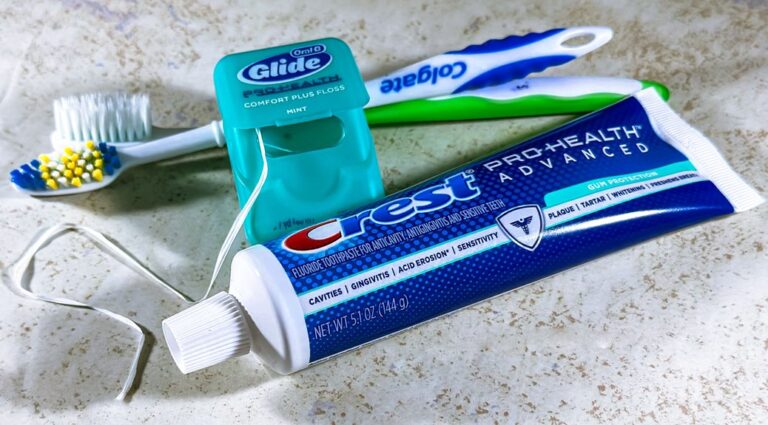
While many toothpaste brands are available, only specific types qualify for HSA and FSA reimbursement. Generally, eligible toothpaste includes those specifically formulated to treat dental conditions, such as fluoride toothpaste or those designed for sensitive teeth.
Brands that emphasize therapeutic benefits, like anti-cavity or anti-gingivitis formulas, typically meet the criteria as well. However, standard whitening or cosmetic toothpastes don’t usually qualify, since they focus on aesthetics rather than health.
To ensure you’re making the right purchases, always check your plan’s specific guidelines. Being informed helps you maximize your HSA or FSA funds, allowing you to better serve yourself and your family’s health needs.
Understanding these distinctions is key to effective financial planning for dental care.
Claiming Toothpaste Expenses Made Easy
Claiming toothpaste expenses can be straightforward if you know what to look for. Here’s how to make the process easier:
- Check Eligibility: Ensure the toothpaste you’re purchasing qualifies under HSA or FSA guidelines. Look for products that are primarily for medical needs, like fluoride toothpaste.
- Keep Receipts: Always save your receipts. They’ll be essential when filing claims, as you may need to prove the expense was for a qualified product.
- Use the Right Forms: Familiarize yourself with the claim forms specific to your HSA or FSA provider. This will help you avoid any delays in reimbursement.
Debunking Myths About Toothpaste and Dental Product Eligibility
Many people mistakenly believe that all toothpaste and dental products qualify for HSA or FSA reimbursement, but that’s not the case. Only certain items meet eligibility criteria, and understanding these nuances can help you serve others better.
| Product Type | Eligible | Ineligible |
|---|---|---|
| Fluoride Toothpaste | ✅ | Whitening Paste |
| Mouthwash | ✅ | Cosmetic Mouthwash |
| Dental Floss | ✅ | Flavored Floss |
Many over-the-counter dental products are excluded, especially those with cosmetic claims. To maximize your benefits, focus on items that serve a medical purpose. Always consult your plan guidelines to avoid surprises when filing claims.
Tips for Maximizing Your HSA and FSA Benefits
To maximize your HSA and FSA benefits, start by understanding which expenses are eligible for reimbursement. This knowledge is crucial for making the most of your funds.
Here are three tips to help you optimize your benefits:
- Keep Track of Receipts: Always save your receipts for eligible purchases. This documentation will simplify your reimbursement process.
- Review Your Plan: Familiarize yourself with your specific HSA or FSA plan details, as they can vary. Knowing what’s covered will prevent any surprises.
- Plan Ahead: Anticipate your healthcare costs throughout the year. By planning and using your funds wisely, you can avoid losing any unused benefits at year-end.
Other Dental Products Eligible for HSA and FSA
When planning how to use your HSA or FSA funds, consider the range of dental products that qualify for reimbursement. You can purchase items like dental floss, mouthwash, and teeth whitening strips, all of which promote oral health.
Additionally, orthodontic treatments, such as retainers and braces, may also be covered, depending on your plan. Don’t forget about items like oral pain relief gels and medicated mouth rinses. These products can help maintain good dental hygiene and address specific oral issues.
Always keep your receipts and verify eligibility with your administrator to ensure a smooth reimbursement process. By utilizing these eligible products, you can enhance not only your dental care but also support others in their health journeys.
Staying Updated on HSA and FSA Rules
How can you stay informed about the latest HSA and FSA rules? Keeping up with these regulations ensures you’re maximizing your benefits while serving others effectively.
Here are three easy ways to stay updated:
- Follow Official Websites: Regularly check the IRS website and your HSA/FSA provider’s site for the latest updates and changes.
- Subscribe to Newsletters: Sign up for newsletters from financial and health organizations that focus on HSA and FSA topics.
- Join Online Forums: Engage in forums and social media groups where members share experiences and updates regarding HSA and FSA rules.
About the Author