You might wonder if purple toothpaste really brightens your smile or if it’s just a marketing gimmick. It claims to neutralize yellow tones through color-correcting agents, creating an illusion of whiter teeth. But does it truly work, or are there better options for achieving that bright grin? Understanding the science behind these products is crucial before you decide to incorporate them into your oral care routine.
How Does Purple Toothpaste Brighten Your Smile?
When you apply purple toothpaste, it works by neutralizing yellow tones in your teeth, creating a brighter appearance. The purple color comes from color-correcting agents that counteract those undesirable hues. This process involves the principles of color theory, where complementary colors balance each other out.
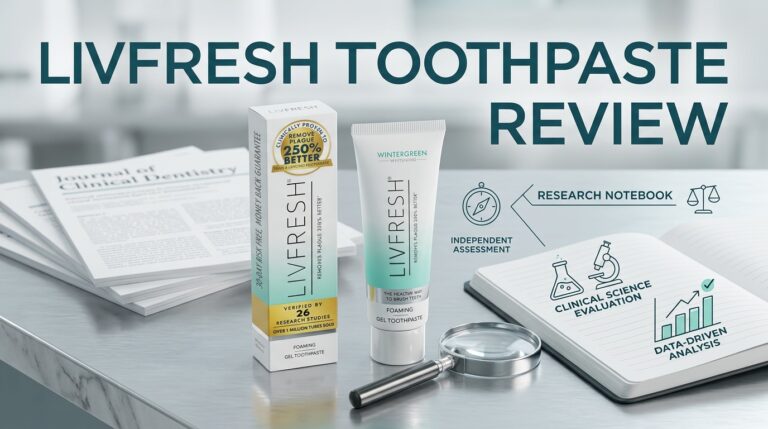
By using purple toothpaste regularly, you can enjoy a more radiant smile without harsh bleaching agents. Many find it effective for enhancing their natural tooth color, especially if they’re concerned about stains from coffee, tea, or other foods. Additionally, incorporating products like LivFresh Toothpaste can further support your oral health by providing scientifically-backed benefits.
It’s a gentle alternative that not only improves aesthetics but also promotes confidence. If you’re committed to helping others feel good about their smiles, introducing them to purple toothpaste can be a simple yet impactful recommendation.
The Science Behind Color-Correcting Agents
Color-correcting agents function on the principle of complementary colors, meaning they effectively neutralize unwanted hues. In toothpaste, purple pigments counteract yellow tones, helping your teeth appear whiter. This method relies on the color wheel, where colors opposite each other balance one another.
When you apply purple toothpaste, it temporarily masks yellow stains, creating an optical illusion of brightness.
The active ingredients often include specific dyes that don’t stain your teeth but rather reflect light differently, enhancing your smile’s appearance.
Scientific research supports this technique, showing that color correction can improve visual perception of whiteness.
Debunking Myths: What You Need to Know About Purple Toothpaste
Ever wondered if purple toothpaste is just a gimmick? It’s time to clear the air.
Purple toothpaste contains color-correcting agents, primarily violet pigments, which neutralize yellow tones in your teeth. This doesn’t mean it whitens your teeth directly; instead, it creates an optical illusion.
Many users believe that using it leads to instant results, but that’s misleading. While it can enhance your smile’s appearance temporarily, it’s not a substitute for traditional whitening methods.
Furthermore, some people worry about safety, but rest assured, these products are generally safe when used as directed.
Understanding these facts helps you guide others in making informed choices about their dental care.
Using Purple Toothpaste: Tips for Maximum Whitening
To maximize the benefits of purple toothpaste, it’s essential to incorporate it into a consistent oral hygiene routine.
Brush your teeth at least twice a day, ensuring you use purple toothpaste for one of those sessions. Apply a pea-sized amount and brush for two minutes, focusing on all surfaces of your teeth. Rinse thoroughly to remove any residue, allowing the color-correcting agents to work effectively.
Combining this with regular flossing and mouthwash enhances your overall oral health. Additionally, consider limiting staining foods and beverages, as these can counteract your whitening efforts.
Lastly, schedule routine dental check-ups to maintain your smile’s brightness and address any underlying issues. Consistency and care are your best allies in achieving a radiant, white smile.
Comparing Purple Toothpaste to Traditional Whitening Methods
While purple toothpaste offers a unique approach to whitening, it’s important to compare its effectiveness with traditional whitening methods.
Traditional options, like bleaching strips and professional treatments, often use hydrogen peroxide to penetrate enamel and remove stains. These methods can provide noticeable results in a shorter timeframe but may come with sensitivity issues.
In contrast, purple toothpaste utilizes color-correcting technology to neutralize yellow tones, creating an immediate visual effect without altering tooth structure.
It’s gentler, making it suitable for those with sensitive teeth. When choosing between the two, consider your dental needs and goals.
If you’re looking for gradual improvement with less risk, purple toothpaste could be a great addition to your routine. For faster results, traditional methods may be more effective.
Risks and Side Effects of Purple Toothpaste
Although purple toothpaste is generally considered safe for most users, it’s important to be aware of potential risks and side effects. Some individuals may experience tooth sensitivity or gum irritation due to certain ingredients, particularly if they’ve pre-existing dental conditions.
Additionally, overuse can lead to staining of dental work like crowns or veneers, which can be counterproductive to your whitening goals. If you’re allergic to specific components, such as artificial dyes or flavoring agents, it’s crucial to read labels carefully.
Lastly, relying solely on color-correcting toothpaste without a comprehensive oral care routine mightn’t yield the desired results. Always consult with your dentist before making any significant changes to your dental hygiene products for personalized advice.
Do Users Find Purple Toothpaste Effective?
How effective is purple toothpaste in achieving brighter smiles? Users report mixed results, highlighting its ability to neutralize yellow tones for a whiter appearance. Many appreciate the instant visual effects, but long-term benefits can vary.
- Color-Correcting Action: Purple pigments counteract yellow hues, providing immediate brightness.
- User Satisfaction: Some users notice a distinct difference after consistent use, while others find the effects minimal.
- Complementary Use: It’s often seen as a supplement to regular whitening products, enhancing overall results.
Incorporating purple toothpaste into your routine may offer a quick boost to your smile’s brightness, but individual experiences differ. Understanding these nuances can help you make informed choices for those you serve.
Should You Add Purple Toothpaste to Your Oral Care Routine?
Wondering if you should add purple toothpaste to your oral care routine? It can be a useful addition, especially if you’re looking to neutralize yellow tones in your teeth.
Purple toothpaste contains color-correcting pigments that temporarily counteract yellowness, giving your smile a brighter appearance. However, it’s important to note that while it may enhance your aesthetic, it doesn’t replace traditional whitening methods or regular dental hygiene practices.
Incorporating purple toothpaste can complement your routine, but it shouldn’t be your sole focus. Maintain regular brushing, flossing, and dental check-ups for optimal oral health.
If you’re serving others, consider recommending it as a supplementary option for those wanting a boost in their smile’s brightness without harsh chemicals.
About the Author